Rare Disease Research and Therapeutics Development


The scientific goal of our group is to determine, starting from the molecular-genetic basis of a certain rare disease, which spectrum of variants is present in our country, and to establish whether there are any characteristic, frequent variants. If there are new variants, in that case we perform their characterization using in silico methods, or using different in vitro assays. We also study the correlation of genotype and phenotype. In cases where there is no expected correlation, we try to find genetic modifiers. Discovering new variants and genetic modifiers is important because they become potential targets for new therapeutics.
Our group has expertise in modeling rare diseases (application of CRISPR/Cas9 technology, etc.). The model systems we make are necessary for understanding the molecular basis of rare diseases and for new therapeutics testing. Furthermore, our goal is development of innovative therapeutics for rare diseases, those that specifically correct a variant (eg, pharmacological chaperones or antisense oligonucleotides) or those that target and correct some disturbed process in the cell.
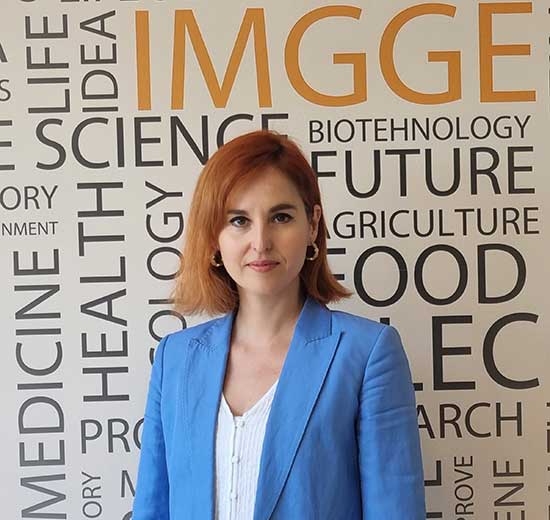
Maja Stojiljkovic
Group for Rare Disease Research and Therapeutics Development
Department of Human Molecular Genetics and Genomics



 New concept for treatment of glycogen storage disease Ib and diabetes mellitus type 2: small molecule compounds able to adjust glucose level through binding glucose-6-phospate translocase (GlucoAdjust) (2024-2026)
 Better real-world health-data distributed analytics research platform (BETTER) (2024-2027)
FULL RESEARCH PROFESSOR
ASSOCIATE RESEARCH PROFESSOR
ASSISTANT RESEARCH PROFESSOR
RESEARCH ASSISTANTS
JUNIOR RESEARCHER